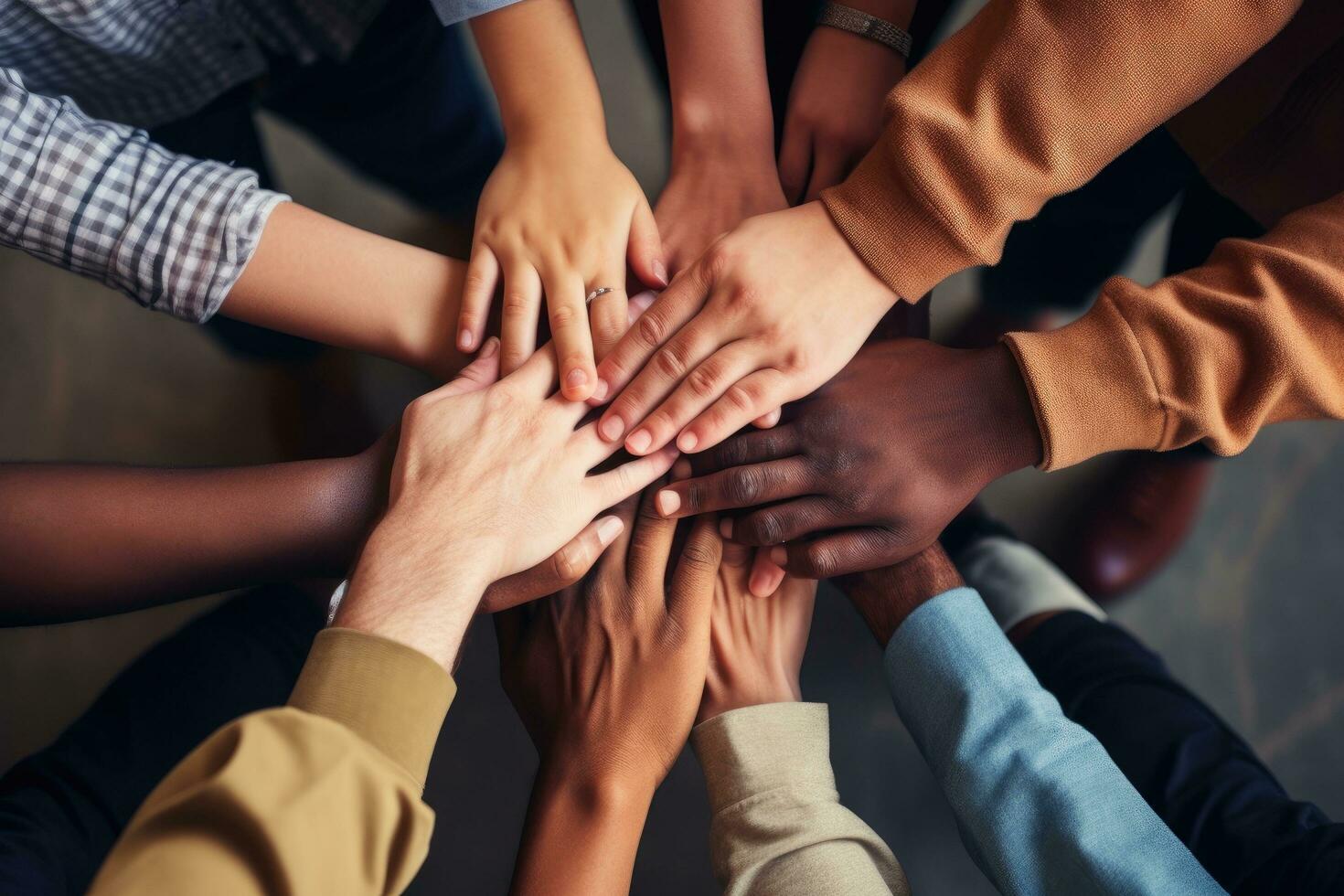
 Recovery from addiction and mental health challenges is not something anyone should have to face alone. While professional treatment provides the clinical tools needed for healing, meaningful support from compassionate professionals, family members, peers, and the community often becomes the foundation for lasting success. At Chicago Center for Recovery, we recognize that recovery is strongest when individuals feel connected, understood, and encouraged throughout every stage of their journey.
Whether someone is beginning inpatient treatment, participating in outpatient care, or continuing life after formal treatment, a reliable support system can provide the motivation, accountability, and confidence needed to overcome obstacles. When combined with individualized addiction treatment, integrated mental health care, and holistic healing, strong relationships help transform recovery into a lifelong process of growth and empowerment.
Why Support Matters in Addiction and Mental Health Recovery
Addiction and mental health conditions often create feelings of isolation. Individuals may withdraw from loved ones, lose confidence, or believe they have to face their struggles alone. Recovery begins by breaking that isolation and rebuilding healthy connections.
Healing Happens Through Connection
Supportive relationships remind individuals that they are not defined by their past. Having people who listen without judgment and encourage healthy choices creates an environment where healing can thrive.
Professional counselors, therapists, peers, and loved ones all contribute to this process by offering guidance, reassurance, and accountability.
Encouragement Builds Confidence
Recovery involves overcoming challenges that can sometimes feel overwhelming. Positive encouragement helps individuals recognize their progress and continue moving forward, even during difficult moments.
Each success, whether attending therapy consistently or developing healthier coping skills, becomes easier to achieve when someone is there to provide encouragement and celebrate progress.
The Role of Professional Treatment in Building Support
Professional addiction treatment creates a structured support system that helps individuals develop the skills necessary for long term recovery.
Inpatient Treatment Creates a Safe Foundation
Inpatient care offers a stable environment where individuals can focus entirely on healing. Daily therapy, counseling sessions, wellness activities, and peer interaction help establish healthy routines while reducing outside distractions.
This supportive setting allows clients to begin addressing addiction, mental health concerns, and emotional challenges with the guidance of experienced professionals.
Outpatient Care Provides Continued Guidance
As individuals transition back into everyday life, outpatient treatment offers ongoing counseling, therapy, and accountability. This continued support helps reinforce healthy habits while allowing individuals to practice recovery skills in real world situations.
Outpatient care helps bridge the gap between structured treatment and independent living, making long term recovery more sustainable.
How Mental Health Treatment Strengthens Recovery
Mental health care is a vital part of addiction recovery because emotional wellness directly affects long term success.
Treating Co-Occurring Conditions
Many people entering addiction treatment also experience anxiety, depression, trauma, or other mental health concerns. Integrated care addresses both substance use and emotional health simultaneously, creating a more complete healing experience.
By understanding the relationship between mental health and addiction, individuals gain greater insight into their behaviors and develop healthier coping strategies.
Learning Emotional Resilience
Therapy teaches practical techniques for managing stress, regulating emotions, and responding to challenges without turning to substances.
As emotional resilience grows, so does confidence. Individuals begin to trust themselves and their ability to make healthier decisions.
Family and Community Support Make Recovery Stronger
Professional care is essential, but healing continues outside the treatment setting. Family members, friends, and recovery communities play an important role in maintaining progress.
Rebuilding Healthy Relationships
Addiction can strain even the strongest relationships. Recovery provides an opportunity to rebuild trust through honesty, communication, and shared commitment to healing.
Family therapy can help loved ones better understand addiction while improving communication and creating healthier dynamics.
Finding Strength Through Peer Support
Connecting with others who have experienced similar challenges provides comfort and encouragement. Recovery groups create opportunities to share experiences, celebrate milestones, and learn practical strategies for maintaining sobriety.
Knowing others understand the recovery journey helps reduce feelings of loneliness and strengthens motivation.
Holistic and Faith Based Care Support Whole Person Healing
Lasting recovery involves caring for the mind, body, and spirit. Chicago Center for Recovery incorporates holistic and faith based approaches that complement evidence based treatment.
Holistic Wellness Practices
Mindfulness, physical wellness, nutrition, stress management, and creative activities help improve emotional balance while supporting overall health.
These practices encourage self awareness and provide healthy ways to cope with everyday stress.
Spiritual Growth and Purpose
For individuals who value faith, spiritual support can provide hope, encouragement, and a renewed sense of purpose. Faith based care often helps individuals find meaning in their recovery journey and strengthens their commitment to long term healing.
Practical Ways to Build a Strong Support System
Strong support systems require ongoing effort and intentional choices. Here are several ways to strengthen your recovery network:
Stay Connected With Your Treatment Team
Continue attending therapy, counseling, and follow up appointments to maintain professional guidance.
Participate in Recovery Groups
Peer support meetings provide accountability, encouragement, and shared understanding.
Communicate Openly With Loved Ones
Honest conversations help strengthen trust and allow others to support your recovery more effectively.
Practice Healthy Boundaries
Choose relationships that encourage recovery while limiting exposure to people or environments that may increase the risk of relapse.
Continue Personal Growth
Develop new hobbies, volunteer, pursue education, or explore activities that build confidence and reinforce a healthy lifestyle.
Empowerment Grows Through Support
Recovery is about much more than achieving sobriety. It is about creating a fulfilling life built on confidence, emotional wellness, and meaningful relationships. Strong support systems provide the encouragement needed to overcome challenges, celebrate progress, and continue moving toward long term goals.
At Chicago Center for Recovery, we believe every individual deserves compassionate, personalized care that addresses addiction, mental health, and overall well being. By combining evidence based treatment, holistic healing, faith based support, and individualized care, we help clients develop the strength and resilience needed for lasting recovery.
Begin Your Journey Toward Healing Today
If you or someone you love is struggling with addiction or mental health challenges, you do not have to face the journey alone. With the right support system and professional treatment, lasting recovery is possible.
Contact Chicago Center for Recovery today to learn more about our inpatient and outpatient programs, integrated mental health services, and personalized treatment plans. Together, we can help you build a healthier future filled with hope, healing, and lasting empowerment.