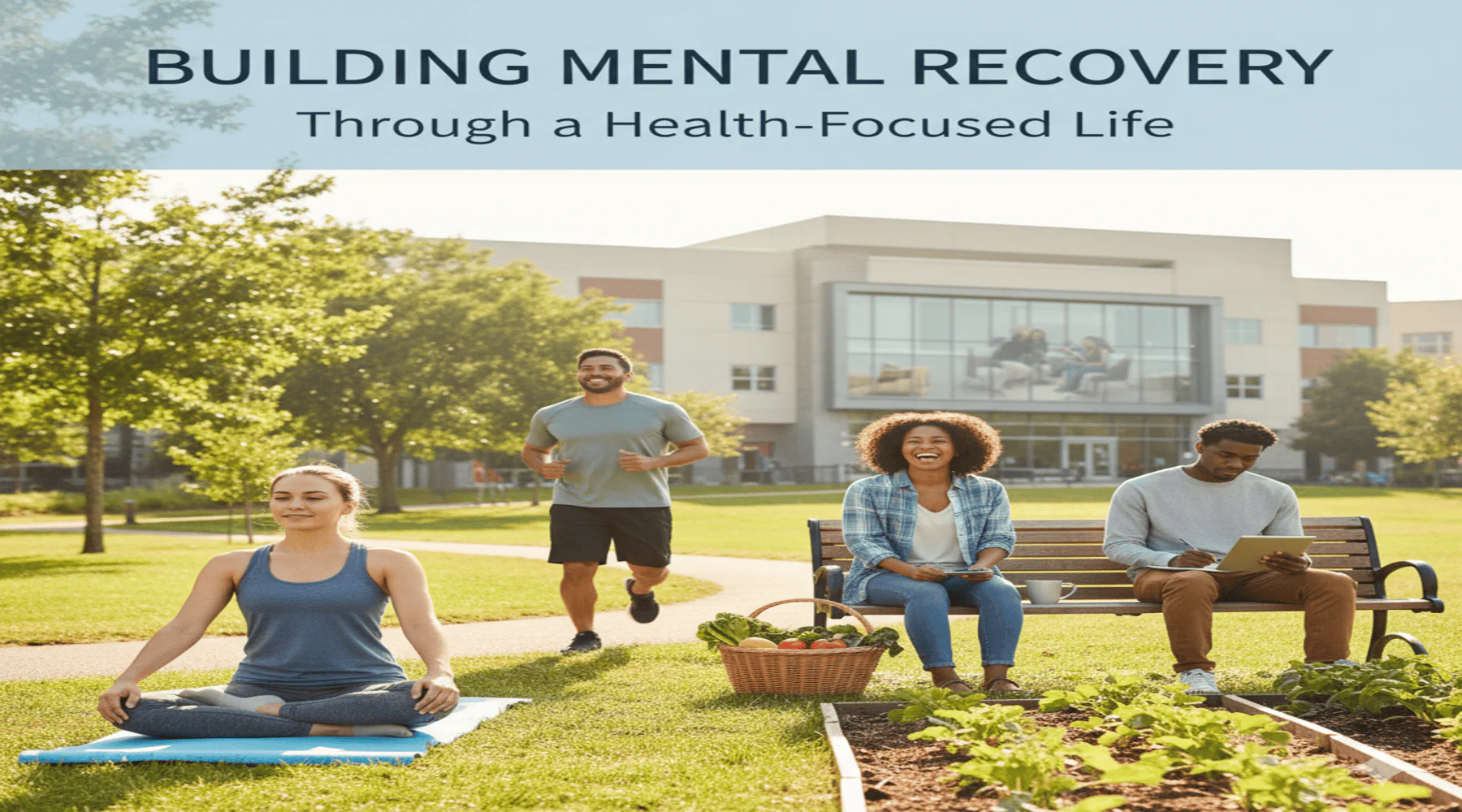
 Mental health and addiction recovery are deeply connected, and treating one without the other often leaves important gaps in healing. True recovery requires understanding how emotional well-being, substance use, trauma, and life experiences all interact. At Chicago Center for Recovery, we believe that lasting change comes from integrated care that supports both mental health and addiction treatment together. This approach helps individuals build inner strength, develop resilience, and create a stable foundation for long-term recovery.
When mental health is supported alongside addiction recovery, individuals gain the tools they need to manage emotions, handle stress, and rebuild confidence in everyday life.
The Connection Between Mental Health and Addiction
Many individuals struggling with addiction also experience underlying mental health conditions such as anxiety, depression, PTSD, or unresolved trauma. These challenges are often closely intertwined, influencing thoughts, behaviors, and coping mechanisms.
Why Co-Occurring Disorders Must Be Treated Together
When mental health concerns are not addressed, recovery becomes more difficult to sustain. Symptoms such as emotional distress, mood swings, or intrusive thoughts can increase the risk of relapse. Integrated treatment ensures that both conditions are addressed at the same time, creating a more complete and effective healing process.
At Chicago Center for Recovery, our approach focuses on treating the whole person rather than just the symptoms of addiction.
Emotional Pain and Coping Patterns
Addiction is often used as a way to cope with emotional pain. While substances may provide temporary relief, they do not resolve the underlying issues. Through therapy and structured support, individuals begin to understand these patterns and develop healthier coping strategies.
How Integrated Care Builds Inner Strength
Inner strength is not something people are born with. It is developed through guidance, practice, and support. Integrated care plays a key role in helping individuals build emotional resilience and self-awareness.
Therapy as a Foundation for Healing
Therapy provides a safe space to explore emotions, identify triggers, and understand behavioral patterns. Evidence-based approaches such as cognitive behavioral therapy help individuals reframe negative thinking and develop healthier responses to stress.
As individuals begin to understand themselves more deeply, confidence and emotional stability grow.
Building Emotional Regulation Skills
One of the most important aspects of recovery is learning how to regulate emotions. Integrated care teaches individuals how to manage anxiety, frustration, sadness, and stress without turning to substances. These skills are essential for maintaining long-term recovery and mental wellness.
The Role of Inpatient and Outpatient Care
Structured treatment environments provide the support needed at different stages of recovery. Chicago Center for Recovery offers both inpatient and outpatient programs to meet individual needs.
Inpatient Care: Focused Healing and Stability
Inpatient treatment provides a safe and structured environment where individuals can focus entirely on recovery. With access to 24-hour support, therapy sessions, and wellness activities, clients can begin addressing both addiction and mental health challenges without outside distractions.
This level of care helps build stability and creates a strong foundation for emotional healing.
Outpatient Care: Continuing Growth in Daily Life
Outpatient programs allow individuals to continue treatment while returning to their daily responsibilities. This phase reinforces coping skills, encourages accountability, and provides ongoing support as individuals transition into independent living.
Outpatient care helps bridge the gap between structured treatment and real-world challenges.
Holistic and Faith-Based Support for Mental Wellness
Healing the mind also involves supporting the body and spirit. Holistic and faith-based approaches play an important role in strengthening overall mental health.
Holistic Practices for Balance and Clarity
Mindfulness, physical activity, creative expression, and relaxation techniques help reduce stress and improve emotional regulation. These practices support mental clarity and overall well-being, making it easier to navigate recovery challenges.
Faith-Based Support and Emotional Resilience
For many individuals, faith-based care provides comfort, hope, and a sense of purpose. Spiritual support can be a powerful tool in recovery, helping individuals find meaning in their experiences and strength during difficult times.
Practical Ways to Strengthen Mental Health in Recovery
Building inner strength requires consistent effort and supportive habits. Here are practical strategies that can help:
1. Stay Consistent With Therapy
Regular therapy sessions help maintain emotional balance and support long-term healing.
2. Develop Healthy Daily Routines
Structure provides stability and reduces stress in everyday life.
3. Practice Self-Awareness
Understanding emotions and triggers helps individuals respond more effectively to challenges.
4. Build a Strong Support Network
Surrounding yourself with supportive people helps reduce isolation and encourages accountability.
5. Prioritize Physical Wellness
Sleep, nutrition, and exercise all play important roles in mental health stability.
Building a Stronger Future Through Integrated Care
Mental health and addiction recovery are not separate journeys. They are deeply connected paths that require compassionate, comprehensive care. When both are addressed together, individuals gain the strength, clarity, and confidence needed to build a healthier future.
At Chicago Center for Recovery, we are committed to helping individuals achieve lasting healing through personalized treatment, integrated mental health care, and holistic support. Our goal is to empower every client to build inner strength and live a meaningful, balanced life.
Take the Next Step Toward Healing and Strength
You do not have to face mental health and addiction challenges alone. With the right support, recovery is possible, and inner strength can be rebuilt. If you or a loved one are ready to begin the journey toward healing, Chicago Center for Recovery is here to help.
Reach out today to learn more about our inpatient and outpatient programs, mental health services, and holistic approaches to recovery. Your path to inner strength and lasting wellness can begin now.